Fine line tattoos: choosing placements and designs that age well
By Lena Vogel · Updated 2026-07-26
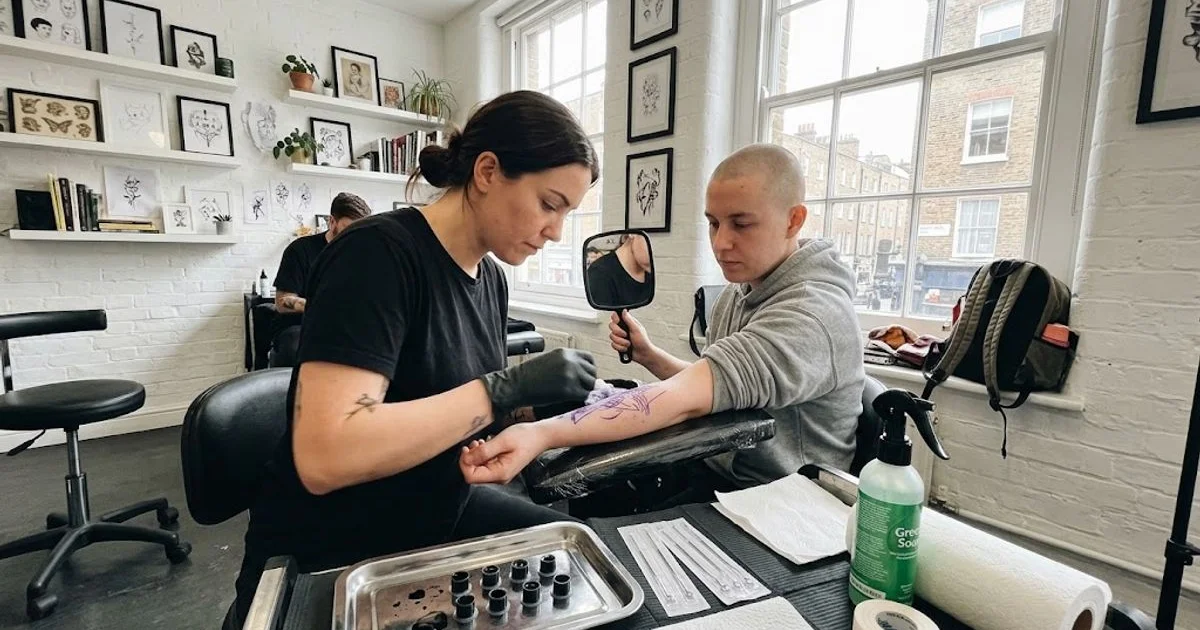
Fine line tattoos owe their appeal to exactly what makes them tricky: thin, precise lines with very little room for error, and not much ink held in the skin to begin with. Choosing the right placement and design up front matters more here than with almost any other style, because the wrong spot can mean touch-ups within a year or two instead of a decade.
Why placement matters more for fine line work
Thicker, bolder tattoo lines carry more ink and more contrast, so as skin cells naturally turn over across years, they fade gradually and evenly. Fine line work has far less margin. A single-needle outline that starts crisp can blur, spread or lighten noticeably faster, especially in spots that see constant movement, friction or sun exposure.
That doesn’t mean fine line only belongs on ribs and upper arms. It means going in with realistic expectations about which spots will need more care, and which will hold the design closest to how it looked on day one.
Placements ranked by how well they typically hold detail
| Placement | Typical longevity for fine detail |
|---|---|
| Upper arm, outer forearm | Holds well, minimal friction, easy to protect from sun |
| Upper back, shoulder blade | Holds well, low movement area |
| Calf, outer thigh | Generally good, moderate friction |
| Inner wrist | Moderate, some friction from watches, sleeves and movement |
| Ribs | Moderate, heals slower due to skin stretch and bra or waistband friction |
| Fingers, hands | Fades fastest, high friction and rapid skin turnover |
| Feet, ankles | Fades fastest, footwear friction and low blood flow |
None of this means avoid hands or feet entirely if that’s genuinely the spot you want. It means asking your artist directly how that placement tends to age, and being open to a touch-up sooner than you might need one elsewhere on the body.
Placement choice isn’t only about longevity either. If part of the appeal of fine line work is that it’s easy to keep discreet, our guide on visible tattoos and the UK workplace covers which spots are easiest to cover when you need to.
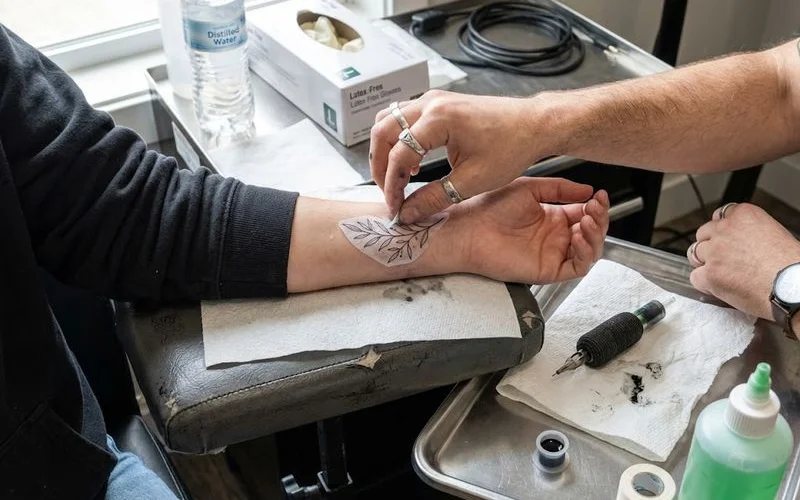
Designing for longevity, not just for launch day
A few things that make a real difference over years, not just how the tattoo looks fresh out of the studio:
- Slightly thicker lines in high-friction spots hold up noticeably better than true single-needle work in the same area.
- Simpler compositions with more negative space age more gracefully than dense, tightly packed fine detail, which can blur into a smudge once lines soften.
- Consistent sun protection on the placement, long after healing, slows fading more than almost anything else you can control.
If you’re weighing up a design, browsing London’s fine line and minimalist tattoo studios and looking specifically at healed photos, not just fresh ones, gives you a much better sense of how a given artist’s linework actually ages on real clients.
Sun exposure matters more than most people expect
Once a fine line tattoo has fully healed, ongoing sun exposure is one of the biggest factors in how long it stays crisp. UV light breaks down ink pigment over time, and because fine line work already carries less ink than bolder styles, it has less margin before fading becomes noticeable. A high-SPF sunscreen applied consistently to the area, not just in summer, does more to protect the design’s sharpness over the years than almost any other single habit. Artists who work heavily in this style will often mention this at your appointment, and it’s worth taking seriously rather than treating as an afterthought.
Clothing friction plays a similar role. Tight waistbands, watch straps, and bag straps that repeatedly rub across a fine line piece can wear down definition faster than the same design in a spot with less daily contact. It’s worth thinking about your typical daily wardrobe, not just how the placement looks in the mirror, when weighing up where a delicate design will actually sit on your life day to day.
Ask before you book, not after
A studio that’s upfront about which placements suit fine line best, and honest about ones that might need earlier maintenance, is doing you a favour rather than talking you out of a sale. That kind of straight answer at the consultation stage is worth more than a portfolio full of only fresh, unhealed photos. Start from the London Tattoo Shop Guide home page if you want to compare studios across styles before you settle on fine line specifically, and read about how we weigh healed-work evidence in reviews on our scoring method page.
FAQ
- Which body placements hold fine line tattoos best?
- Flatter, lower-friction areas like the upper arm, calf and upper back tend to hold thin lines longest. Areas with constant movement, stretching or friction, such as hands, fingers, feet and inner wrists, are more prone to early blurring.
- Should I avoid fine line tattoos on my hands or feet altogether?
- Not necessarily, but go in with the right expectations. Hands and feet see heavy daily friction and faster skin turnover, so fine detail there often softens within a couple of years, sometimes sooner. If you love the placement anyway, ask your artist about slightly bolder linework to help it last.
- Does skin type affect how long fine line work stays crisp?
- Yes. Oilier skin and areas that get more sun exposure tend to lose definition faster. Pale, sun-protected areas with less natural movement generally hold thin lines the longest.
- Can a design be adjusted to suit a tricky placement?
- Often, yes. A good artist can suggest slightly thicker lines, simplified detail, or a different orientation to help a design suit a placement that would otherwise cause early fading, without losing the minimalist look you're after.