Memorial tattoos: ideas and what to expect when honouring someone you've lost
By Lena Vogel · Updated 2026-09-03

Getting a tattoo to remember someone is one of the more emotionally weighted decisions you can make in this space, and there’s no single right way to approach it. This is meant as a practical guide to the process, not a suggestion that any particular design or timing is more meaningful than another.
Common approaches people take
Memorial tattoos tend to fall into a few broad categories, though plenty of people combine elements from more than one:
- Portraits, usually done in black and grey realism for the depth and detail a photorealistic likeness needs.
- Handwriting or signatures, taken from a card, letter or another keepsake and replicated as closely as possible.
- Dates, often a birth date, anniversary or another date that carries specific meaning.
- Symbolic imagery, like a particular flower, bird or object connected to the person or a memory of them.
- Small, understated symbols, chosen for personal meaning rather than obvious visual reference to the loss itself.
None of these is more “correct” than another. What matters is that the design holds meaning for you specifically, not that it follows a common pattern.
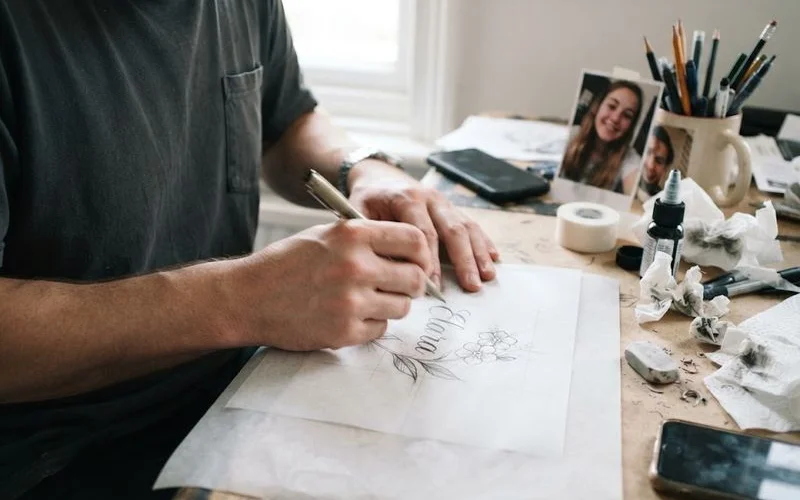
There’s no right time
Some people know exactly what they want within weeks of a loss. Others need months or years before a design feels settled. Both are completely normal, and a good artist won’t rush you toward a decision before you’re ready. If you’re still working out what feels right, it’s fine to have a consultation just to talk through ideas without committing to booking anything yet.
What to bring and mention at consultation
If your design involves a portrait or handwriting, bring the clearest original source you can, a high-resolution photo, an original letter or card, since detail genuinely affects the result. It’s also worth mentioning that the piece is a memorial tattoo, even briefly. Most artists take this seriously and it can shape small decisions during the consultation and the appointment itself, from pacing the session to how they handle revisions.
| At consultation | Why it helps |
|---|---|
| Bring clear reference material | Handwriting and portraits need accurate source detail |
| Mention it’s a memorial piece | Helps the artist approach pacing and revisions with that in mind |
| Discuss placement carefully | Some prefer a private spot, others want it visible; both are valid |
| Take time before deciding | There’s no deadline on when you’re “supposed” to get it done |
During the appointment
Sessions for memorial work follow the same practical structure as any other custom tattoo: stencil placement and approval, then the tattooing itself, with breaks as needed. Some people find the appointment itself an emotional experience, which is completely normal, and a considerate studio will give you the space for that rather than treating it like any other booking.
Choosing where to place it
Placement is often a more personal decision for memorial work than for other tattoos. Some people want it somewhere they’ll see it daily, like the forearm or wrist, as a constant, quiet reminder. Others prefer something more private, closer to the chest or ribs, meaningful to them without being on display to everyone they meet. Neither choice says anything about how much the piece matters; it’s simply a personal preference worth thinking through rather than defaulting to whatever placement feels most obvious at the time.
Some people also choose to involve family members in the decision, either by getting matching or coordinated pieces separately, or simply by talking through the design together beforehand. This isn’t necessary, plenty of people prefer to handle it entirely on their own, but if the loss touches your wider family, it’s worth considering whether sharing the process, even just the conversation about what to get, feels right for your situation.
If you’re looking for an artist experienced in detailed portrait or handwriting work, browsing studios from the home page and reviewing healed portfolio examples gives you a sense of their skill in this specific area. You can also read about how we weigh consultation care in reviews on the scoring method page.
FAQ
- What are common memorial tattoo ideas?
- Portraits, handwriting or signatures, meaningful dates, symbolic imagery like specific flowers or birds, and small representative symbols are all common choices. There's no single right approach; what matters most is that it holds meaning for you specifically.
- Is it okay to wait a while before getting a memorial tattoo?
- Yes, completely. Many people wait months or years after a loss before deciding on a design, and there's no timeline you're expected to follow. Some prefer to get something soon after, others need more time to know what feels right.
- Can an artist work from a handwritten note or signature?
- Many artists can replicate handwriting from a photo of a card, letter or signature, turning it into a tattoo that preserves the actual handwriting rather than a typed font. Bring the clearest original copy you can, since detail matters here.
- Should I tell the artist it's a memorial piece?
- It's worth mentioning, even briefly. Most artists appreciate knowing the emotional context, and it can shape how they approach the consultation, the pacing of the appointment, and small design choices that matter to you.